Professional tree trimming and pruning in Portland ME requires more than a strong back and a chainsaw. Every cut either helps the tree or hurts it. A certified arborist knows the difference.
ISA Certified. ANSI A300 pruning standards. The work that keeps Portland’s old trees standing.
Portland’s older neighborhoods have trees that have been growing for a century or more. Sugar maples whose canopies spread over entire front yards. American elms that have survived Dutch Elm Disease because someone paid attention. Large oaks and beeches that define the character of a street.
Trees like these don’t need a crew with pole saws making them smaller. They need an ISA Certified Arborist who understands tree structure, knows the difference between a dead limb and a live one, and makes every cut to a standard that extends the tree’s life rather than shortening it.
We prune trees. We do it correctly.
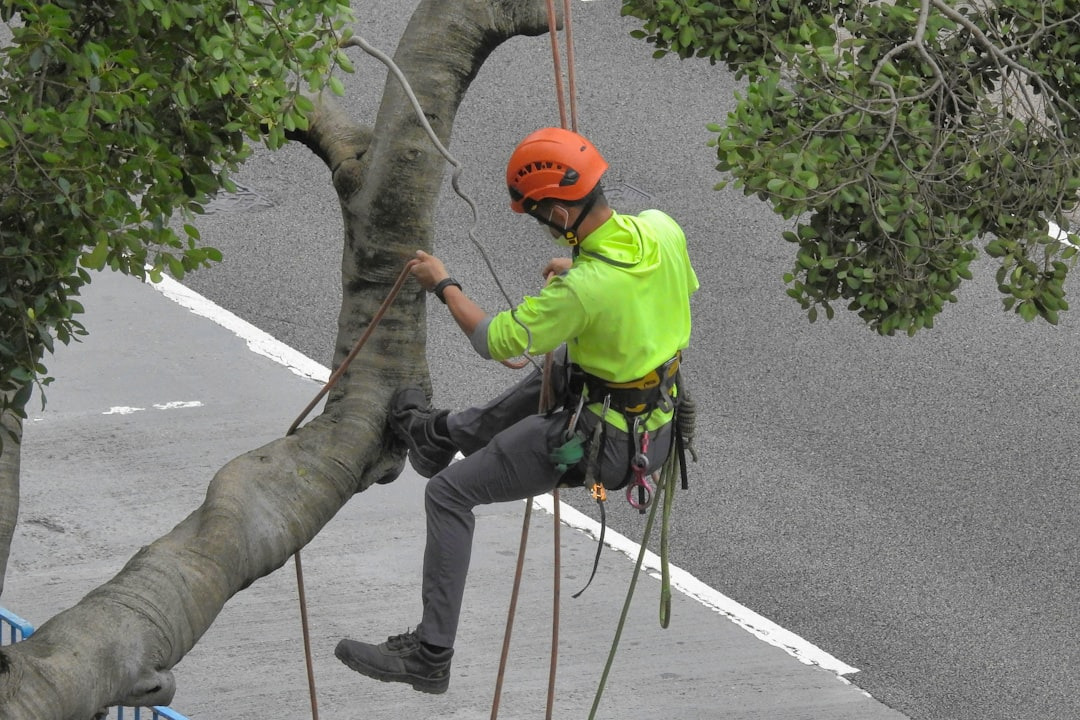
Pruning services we provide
**Crown Cleaning**
Dead, dying, diseased, and crossing branches removed from the crown. In Portland’s older trees, this is the most important maintenance pruning — it reduces the weight overhead, improves the tree’s structural integrity, and removes the wood most likely to come down in a nor’easter.
**Structural Pruning**
For younger and maturing trees, structural pruning shapes the architecture while the tree can still respond well. Removing competing leaders, correcting narrow-angle branch attachments, establishing a clear structure. Trees pruned well early require far less intervention as they age.
**Crown Reduction**
Reducing the size or spread of the crown by removing to lateral branches — not by cutting back to stubs. The distinction matters. Reduction to laterals maintains the tree’s form and closes wounds properly. Stubbing back is topping, which is damaging.
**Deadwood Removal**
Large dead sections over your roof, your neighbor’s yard, or a walkway. We remove them cleanly and at the correct cut point.
**Clearance Pruning**
Lifting the crown to clear a structure, a driveway, or a sight line. We work within utility line clearance requirements where overhead lines are involved.
Practices that disqualify a contractor
**Topping.** Cutting back large branches to stubs. It’s the most common tree care mistake and one of the most damaging — large wounds the tree can’t close, weak water sprout regrowth, and structural failure risk that increases over time. If a contractor proposes topping your tree, call someone else.
**Flush cuts.** Cutting a branch flush to the trunk removes the branch collar and leaves wounds that close poorly. Every cut should preserve the collar.
**Lion’s tailing.** Stripping the interior of the crown and leaving foliage only at the branch tips. It looks opened up when the crew finishes. It creates end-weighted branches that fail more easily and stresses the whole crown.
We follow ANSI A300 standards on every job. We can explain any cut we make and why we made it there.
When to prune matters as much as how
American elms in Portland should not be pruned from April through August — the period when Dutch Elm Disease spreads most actively through the bark beetles that carry it. Pruning wounds during this window are an invitation for infection.
Sugar maples are best pruned in late winter or early spring before bud break, when the tree is dormant and wound closure is cleanest.
White ash is under pressure from Emerald Ash Borer throughout Cumberland County. Before investing in pruning an ash tree, a certified arborist should assess its condition and the realistic return on that investment.
We know the calendar for Portland’s tree species. We tell you when to do the work.
Portland, South Portland, and Westbrook
We prune trees throughout our service area. If you’re nearby and unsure, call us.
Ready to talk about your trees?
Or fill out the short form and we’ll reach out within one business day.